
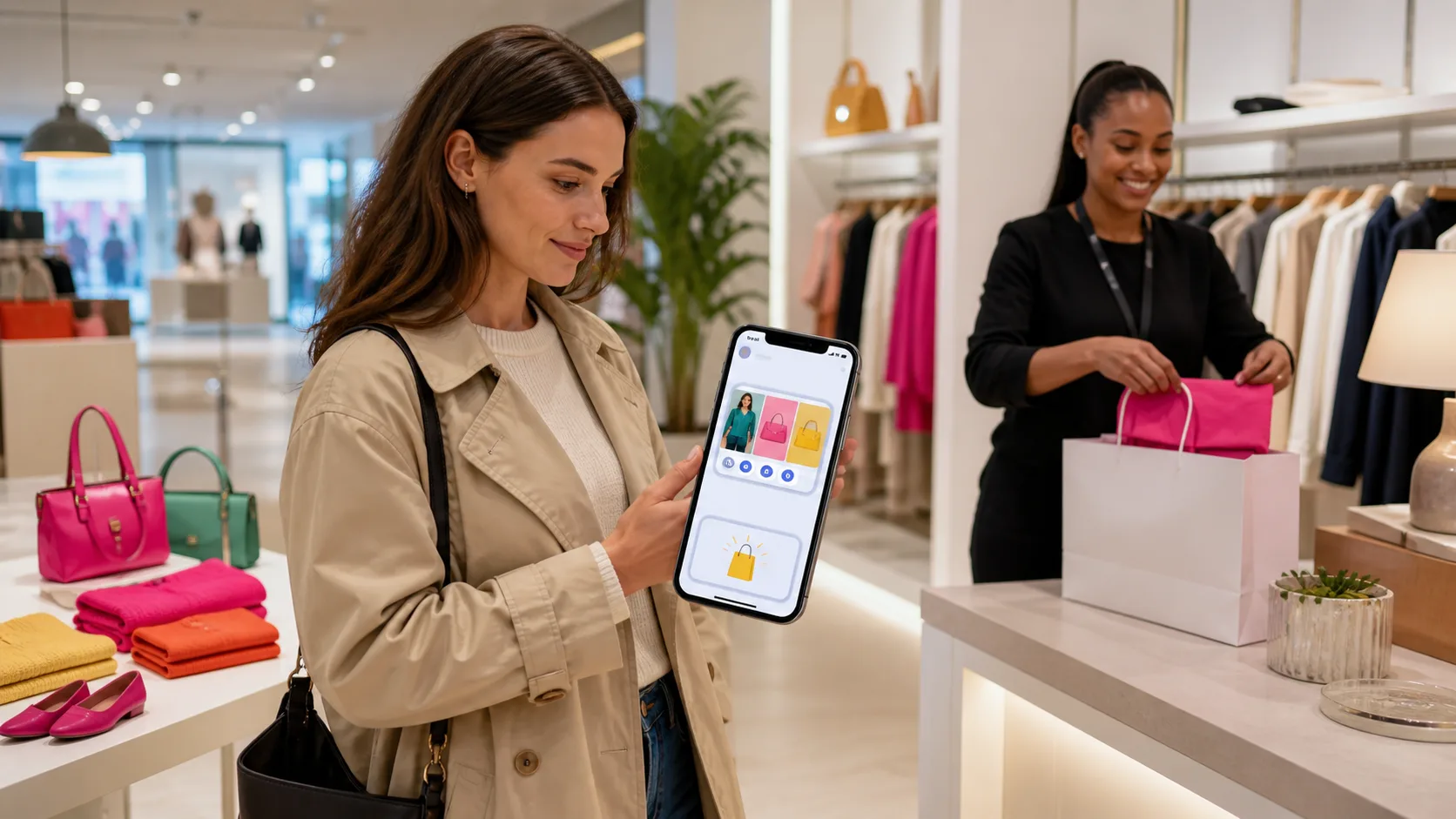

Turn Festive Browsers Into Buyers with Smart Messaging
Retail peak season in the UK is busy and noisy. Back-to-school, Black Friday weekends, and wet December evenings all hit at once, and shoppers are bouncing between apps, websites, and in-store visits. Messages from retailers are easy to miss or ignore.
Many brands lean too heavily on only plain SMS or only rich messaging. That often means broken flows, missed chances to recover a basket, and customers getting different messages on different devices. When attention is this fragmented, that gap hurts.
A smarter way is to pair rich RCS messages with SMS fallback inside one connected flow. RCS gives you rich media and interactive tools, while SMS quietly covers every gap in reach and data. Used together, they support the full shopper path, from first browse to repeat purchase.
At Text Global Ltd, from our base in the UK, we offer a multichannel platform and RCS API that lets brands run these joined-up, two-way experiences. In this guide, we will walk through clear retail use cases, how to blend RCS with SMS, when to trigger each channel, and what to measure across the season.
Why RCS Needs SMS Fallback in UK Retail Journeys
RCS is growing across UK Android devices, but support is still uneven. Some customers are on iOS, some on older Android phones, and some are in areas with shaky data coverage. For any nationwide retailer, this patchwork means you cannot rely on RCS alone.
RCS shines when it can show off rich content such as:
- Product carousels with swiping
- High-quality images and descriptions
- Tappable call-to-action buttons
- Suggested replies that guide the chat
- Clear brand styling on the sender
These features are ideal for early-stage discovery, gifting ideas, or quick answers about delivery and returns. They feel more like a branded chat than a basic text.
SMS, on the other hand, just works. It reaches almost every handset, across age groups and regions. It still lands when data drops to nothing, and it is familiar to shoppers who do not use rich messaging at all.
By sending through an RCS API with smart logic, you can try RCS first where it is supported, then drop to SMS automatically when it is not. This approach keeps timings and offers in sync, and helps you avoid dead ends and broken promo plans.
You also need to think about GDPR, consent, and opt-outs. Central control of both RCS and SMS in one platform means:
- One place to store consent and preferences
- One set of rules for quiet hours and frequency
- One audit trail for opt-outs across all channels
Pre-Purchase Journeys That Blend Discovery and Reach
Before someone buys, they browse, compare, and delay. This is where rich RCS content can do the heavy lifting, with SMS quietly backing it up so the journey still works when rich messaging is not available.
Seasonal promotions work well with a rich-first, fallback-ready plan. For example:
- Autumn fashion drops shown as RCS carousels, with “Shop Now” buttons by category
- Black Friday previews that show deal highlights and link to wishlists
- Christmas gifting flows that show ideas by price band or age group
If a shopper cannot get RCS, SMS can go out at the same time with short, clear copy that matches the RCS offer, a trackable short link to the right landing page, and the same promo code and end date. The aim is consistent messaging, even when the format changes.
Back-in-stock and price drop alerts benefit from RCS because you can show an image of the item, the new price, size buttons, and suggested replies such as “Reserve my size”, “Show similar items”, or “Change my alerts”. When RCS is not supported, SMS can share a tight message and a personal deep link straight to that product or a saved list.
Guided product discovery is another strong use case. With RCS, you can run a chat-like flow that asks about budget, style, and size, then shows tailored picks as cards and offers quick replies like “More like this” or “Different colour”. If RCS fails, SMS takes over with the same Q&A logic in simple text, so the shopper can still answer questions and get links to suggestions, even if the experience is lighter.
Across all of this, you can use:
- Purchase history to shape offers
- Browsing data to pick products
- Loyalty tier to decide who sees what first
Key KPIs for this stage include click-through rate, add-to-basket rate, and revenue per message. When both RCS and SMS sit on one RCS API, you can compare rich vs fallback results clearly and tune your flows.
Checkout, Abandonment, and Payment Confidence Boosters
At checkout, small nudges can save the sale. A common pattern is a timed cart reminder where the first touch tries RCS, showing:
- Product photos and names
- Total basket price
- A “Complete Checkout” button that deep links back in
If RCS is not possible, SMS delivers a short note with a unique URL and, during late-season peaks, a gentle time-limited extra to prompt action. The key is that the reminder still arrives and still links the shopper back to the exact basket.
Payment trust also matters, especially for higher-value Christmas gifts or big back-to-school hauls. RCS can:
- Explain payment options with simple visuals
- Clarify BNPL terms
- Flag delivery cut-offs for Christmas
SMS fallback still covers the key points in plain words, with links to FAQs or help pages, so shoppers can confirm details quickly even on basic devices or low data.
For click and collect or store visits, RCS can send:
- Store maps and opening hours
- Tap-to-call buttons for help
- Clear “I am on my way” or “Change pickup day” replies
If a shopper only gets SMS, you still share:
- Collection codes or booking details
- Address and opening times
- Any special notes for large items
Both RCS and SMS can give one-tap re-entry to checkout, saved baskets, or pre-filled forms. Inside a journey builder, you can set rules based on:
- Device type and RCS support
- Past behaviour and purchase stage
- Real-time triggers such as a new abandonment
Using branded sender IDs for RCS and consistent sender details in SMS helps cut the risk of fraud and gives shoppers more confidence when they are about to pay.
Post-Purchase Care, Returns, and Loyalty Retention
After the sale, clear updates keep customers calm and reduce pressure on support teams. RCS can show:
- A visual delivery timeline from dispatch to delivered
- Product images beside each order
- Quick actions such as “Track parcel”, “Reorder”, or “Get invoice”
SMS fallback still makes sure that every dispatch, delay, or delivery message lands, even in rural areas or on basic phones.
Returns and exchanges are another strong fit. With RCS, you can ask for a return reason from a simple list, let customers pick a drop-off point, and show QR codes or barcodes inside the chat. When RCS is not available, SMS can send a short summary of return steps plus links to print a label and to a help chatbot that also works on the web.
During Boxing Day and January sales, customer questions spike. RCS chatbots can pick up common FAQs on:
- Store opening times
- Return windows for gifts
- E-receipts and gift receipts
If the shopper does not support RCS, they still get answers by SMS flows, so no one is left stuck.
For loyalty and repeat sales, RCS can:
- Invite shoppers to join or upgrade a loyalty scheme
- Show personal recommendations and bundles
- Store digital loyalty cards inside the chat
SMS keeps everyone covered with:
- Points balance alerts
- Voucher codes
- Reminders before rewards expire
Both RCS and SMS can also request feedback. RCS might show a quick rating with tappable stars and short questions, while SMS can send a link to a review page. This feedback then feeds into product and service improvements over time.
Building RCS and SMS Flows with a Unified RCS API
Behind all of this is the technical side. With a unified RCS API, your systems can:
- Check if a device supports RCS
- Pick rich or fallback content on the fly
- Keep one shared conversation history
- Handle replies and triggers from both channels
On our Text Global platform, retailers can design visual flows that try RCS first where it makes sense, such as promo or support paths, then switch to SMS by rule, such as device type or failed rich delivery. They can also react to clicks, replies, and purchases in real time, which helps journeys stay relevant during fast-moving peak season periods.
Central analytics then make it easier to see:
- How RCS engagement compares with SMS fallback
- Which message designs pull the best click and conversion rates
- Which timings work best around weekend peaks or late-night browsing
You can connect messaging into eCommerce, EPOS, CRM, and marketing tools so that:
- Stock levels match what you promote
- Customer segments stay fresh and accurate
- Loyalty and discount rules stay in sync across channels
RCS will keep evolving, with richer features and, in time, wider coverage. By using an RCS API together with SMS today, you support current shoppers on any device, while staying ready for the next wave of rich messaging in UK retail.
Get Started With Your Project Today
If you are ready to bring richer, more interactive messaging into your customer journeys, our RCS API gives you the tools to build it quickly and reliably. At Text Global Ltd., we work closely with your team so you can integrate, test and launch with confidence. If you would like tailored guidance or have technical questions, please contact us and we will help you map out the best approach for your project.